
MODE UNKNOWN · Five studies
Genesis
Before the song knew its own name.
Five studies in beginnings: demos, hardware constraints, rehearsal, tape textures and sounds gathered from the world.
View in Intervals →
The Demo Vault: Four-Track Cassettes and Bedroom Genesis
A recording can begin with a small sketch: a voice, a chord sequence or a synthesizer pattern. A cassette multitracker offers one way to capture those first ideas.
The Four-Track Sketchbook
Capturing initial songwriting ideas on rudimentary tape machines preserved the core emotional intent without the distraction of over-engineered studio polish.
From Bedroom to Master
Translating basic acoustic guitar and monophonic synth demos into multi-layered electronic arrangements required maintaining the raw vulnerability of the original take.
“A great song should always survive being played back on a cheap cassette tape in a quiet room.”
The MIDI Constraint: Composing Within the Boundaries of Early Sequencers
Composing electronic music on early hardware interfaces demanded intense discipline due to strict memory limits, rigid step counts, and timing hurdles.
Coding Within Step Boundaries
Strict polyphony limits and data storage restrictions forced composers to rely on clever note stacking, manual overrides, and creative timing workarounds.
The Humanized Clock
Navigating the quirks of early hardware clocks imparted a distinct, driving momentum that polished software sequencers often fail to replicate.
The Rehearsal Room Experiment: Raw Live Arranging Before the Board
A rehearsal room offers a different test from a finished recording: can the parts hold together when people play them? Changes in timing and dynamics become immediately audible.
Testing the Live Framework
Stripped-back live playing in tight rehearsal rooms revealed whether a nascent song idea held enough rhythmic power to stand up to heavy stadium volume.
Hammering Out Formats
Raw live arranging allowed members to iron out dynamic shifts and tempo pacing organically before locking arrangements into studio multitracks.
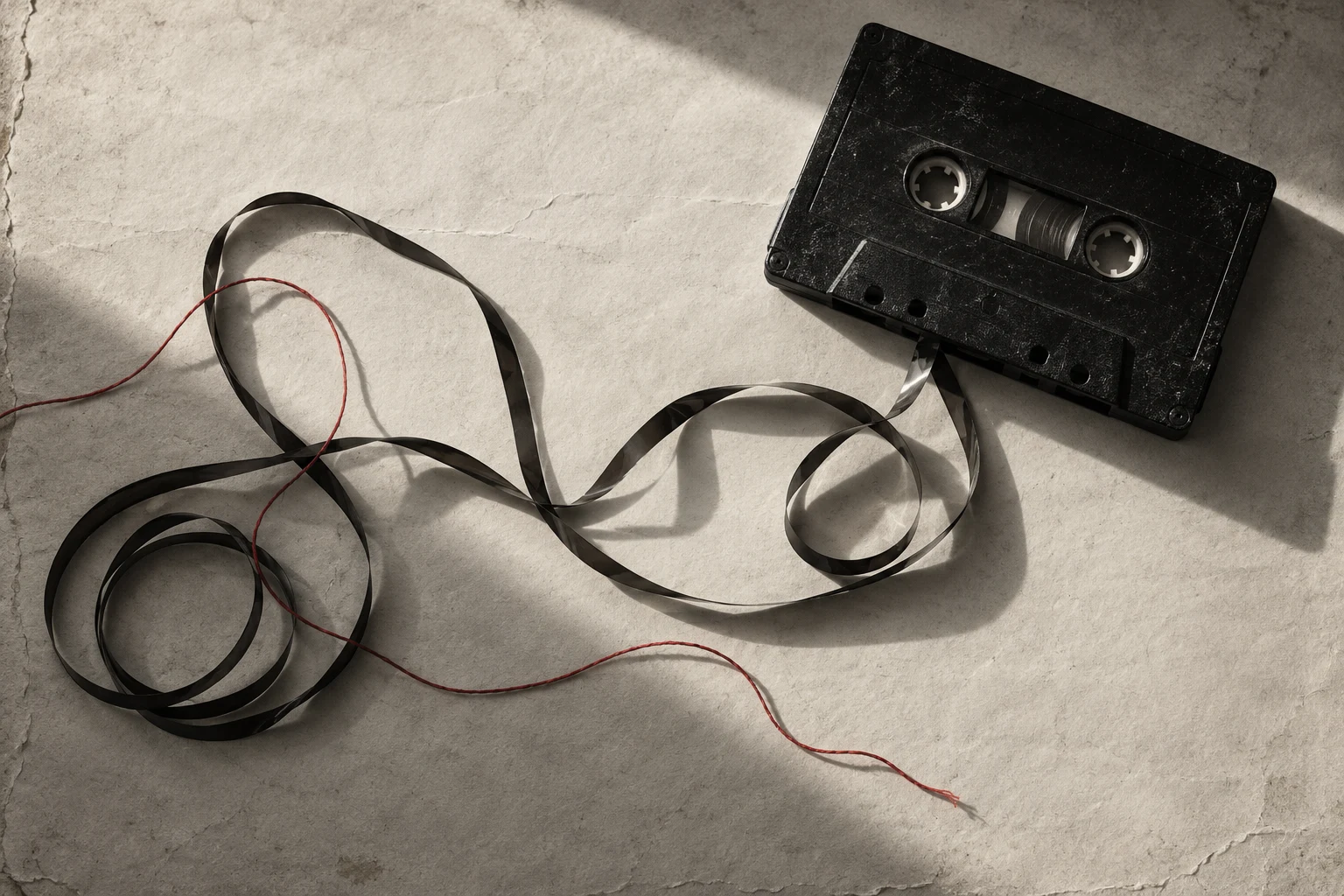
The Tape Saturation Diary: Lo-Fi Textures in High-End Mixes
Passing a recording through tape is one possible way to change its texture. Noise, pitch variation and saturation can become creative choices, but they are not requirements for a compelling mix.
Injecting Magnetic Flutter
Bouncing audio through aging tape reels introduced natural pitch drift, compression breathing, and harmonic distortion that softened digital harshness.
Gluing the Sonic Palette
The subtle saturation left behind by physical oxide layers bound competing frequencies together, giving tracks a dense, breathing physical presence.
The Isolated Soundstage: Field Recording and Found-Sound Diaries
Sourcing unique audio textures required venturing outside the studio with portable recorders to hunt down environmental sounds for custom synth patches.
Capturing the Environment
Recording heavy urban feedback, mechanical echoes, and urban impacts on location provided an inexhaustible library of raw acoustic material.
Building Instruments from Noise
Mapping environmental recordings directly into hardware samplers allowed producers to construct entirely original synth patches rooted in the physical world.